Children of alcoholics have a high risk of developing tolerance because of exposure to alcohol from a young age. Several studies have shown that sons of alcoholics were less impaired during drinking bouts compared to sons of non-alcoholics. Some writers, poets, artists, or people with different talents feel the need for booze to get them in the mood to be creative, which can result in chronic alcoholism. Humans may develop a tolerance for alcohol while practicing a task and drinking at the same time.
Does an Alcohol Tolerance Break Work?
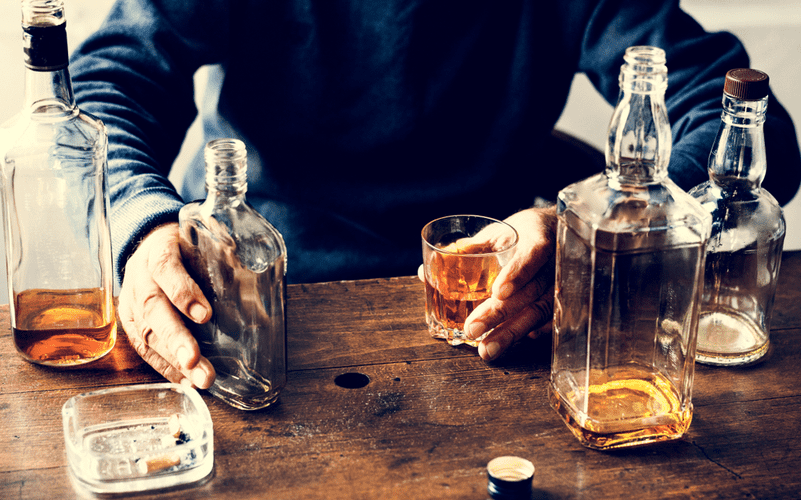
For example, people of certain racial and ethnic backgrounds, particularly people who are East Asian, have a higher prevalence of alcohol sensitivity, due to genetic factors. Overall, understanding your alcohol tolerance is an important part of staying safe and healthy when drinking alcohol. There are several ways to determine what your alcohol tolerance is, such as tracking your drinks, monitoring your body’s responses to alcohol, and talking to a medical professional. It’s important to keep in mind that everyone’s alcohol tolerance is different, so it’s important to find out your own level of tolerance and be responsible when drinking. Alcohol tolerance refers to the amount of alcohol a person can consume without experiencing negative effects. It can vary from person to person, and is affected by factors such as age, gender, overall health, and drinking history.
- The Massachusetts Center for Addiction offers comprehensive treatment programs to address the underlying causes of addiction and support individuals in their recovery journey.
- By recognizing the physiological changes that occur with aging and their impact on alcohol processing, older adults can make informed decisions about their alcohol consumption.
- However, some genetic traits that influence alcohol metabolism may be more common in certain populations.
- Alcohol tolerance can also be accelerated by practicing a task while under the influence of alcohol.
Welcome to Drug Rehab Featured by Addiction Resource Team
Ingested ethanol is metabolized by an enzyme, “alcohol dehydrogenase,” to a metabolite called acetaldehyde. The acetaldehyde is metabolized by an enzyme ‘aldehyde dehydrogenase’ to the final product. Some people, by nature, lack the enzyme aldehyde dehydrogenase, which leads to an excess of acetaldehyde in the blood. It develops over time, meaning that a dedicated drinker may need consistently higher volumes of alcohol to achieve the same physical effects over the weeks and months of drinking. The adaptation to the effects of drinking is what leads to high tolerance for alcohol.
Understanding Addiction and Substance Use Disorder
Of these symptoms, facial Drug rehabilitation flushing is the most common and will almost always be present. With alcohol intolerance, these symptoms will begin almost immediately after exposure to alcohol. While drinking alcohol is the most common trigger, other actions, like using cough syrup containing alcohol or alcohol-based hand sanitizer, may also trigger these symptoms.
Alcohol Dehydrogenase (ADH)
While alcohol is widely consumed, rising alcohol tolerance is a warning sign of dependence. Genetics, body type, and lifestyle all play a role, but the biggest factor is frequent, heavy drinking. The body adapts to alcohol by producing more dehydrogenase enzymes, breaking alcohol down. With heavy drinking, the liver also adapts and becomes more efficient at eliminating alcohol. But if they start drinking at their previous levels again, alcohol-related impairments in cognition and behaviour could return – but after having smaller amounts of alcohol.
- In fact, it can be a protective factor against developing alcohol dependence or addiction, as the unpleasant effects of drinking may discourage someone from consuming excessive amounts of alcohol.
- One of the criteria used to determine an AUD diagnosis is alcohol tolerance.
- They are less likely to feel nauseous, vomit, slur their words, or have impaired walking.
- Male rats exhibited rapid cross-tolerance (hypothermia and tilt-plane) to the alcohols n-propanol, n-butanol, and t-butanol.
Medical Professionals

With age, the production of these enzymes decreases, and the liver’s overall efficiency in processing alcohol diminishes. By the https://leafacademy.in/canadian-alcohol-and-drugs-survey-cads-summary-of/ time a person reaches their 80s, their body water content may have dropped to around 50%. This reduction means that the same amount of alcohol consumed will result in a higher blood alcohol concentration (BAC) in an older adult compared to a younger person of the same weight. As tolerance increases, the brain’s reward system becomes less responsive to alcohol.

Alcohol tolerance can be explained via several mechanisms – but here are four ways that tolerance may develop and change. But, acute tolerance typically develops into the “feeling” of intoxication, but not to all of the effects of alcohol. Consequently, the person may be prompted to drink more, which can impair those bodily functions that do not develop acute tolerance. You may think that not having alcohol interfere with your behavior and ability to function like it used to be is a positive occurrence. However, the development of tolerance to alcohol can actually signal pending problems. Tolerance to the effects of alcohol can influence drinking behavior and consequences in many ways.
It can dull emotions, impact relationships, and contribute to anxiety or depression. It may also reduce awareness of drinking problems until they become severe. This happens when someone drinks regularly and alcohol tolerance their body adapts by becoming less reactive to alcohol’s effects.
Leave a Reply