Cash and accrual accounting are two ways businesses can track their financial performance. The cash basis system is usually used in small business accounting because of its simplicity and ease, while the accrual basis system provides a more accurate picture of your business performance. Cash basis accounting is an accounting system in which you record revenue or expenses when Liability Accounts cash is received or paid.
What Is the Difference Between Cash Basis and Accrual Basis?
When comparing https://www.bookstime.com/ accrual accounting versus cash accounting methods, it’s important to keep in mind your law firm’s needs and circumstances. While many law firms prefer cash accounting because it aligns with their cash flow, accrual accounting might be better for larger firms that have large outstanding client fees. Additionally, depending on the size of your law firm, it may be mandatory to use accrual accounting. Accrual-focused accounting tracks revenue as it is earned and expenses the moment they are incurred. This system makes use of accounts payable and accounts receivable to formulate an accurate, real-time picture of the financial status of your business. Under cash accounting, income is not taxable until it is received, and expenses are not deductible until they are paid.
Introduction to Cash Basis Accounting
- If you’re moving from cash basis accounting to GAAP, this transition typically requires you to consult with accounting professionals like myself.
- Choosing the right accounting method requires understanding their core differences.
- This method doesn’t capture the value of accounts receivable (money owed to the business) or accounts payable (money the business owes), which are critical for understanding long-term financial stability.
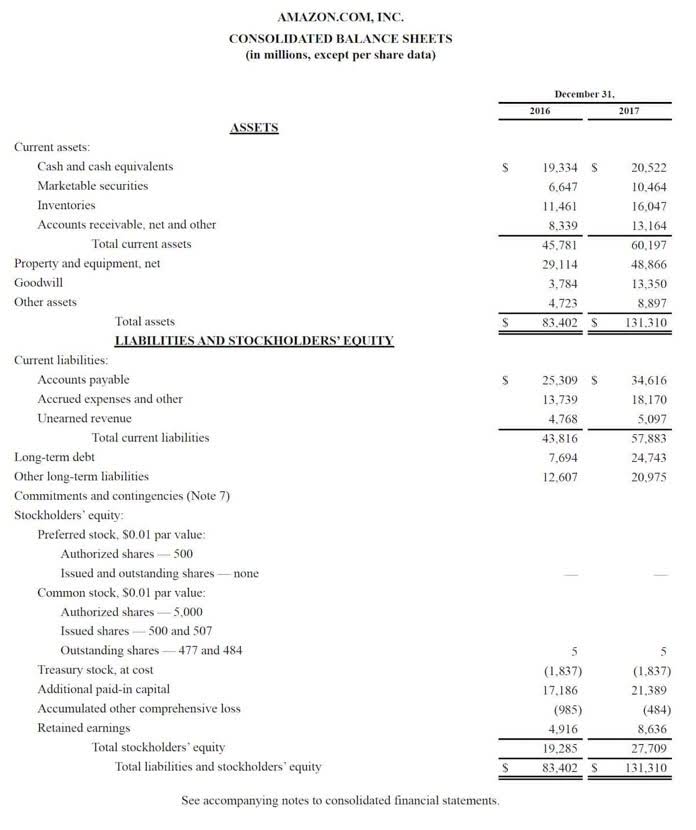
- In accrual accounting, revenues and expenses are recorded when they are earned, regardless of when the money is actually received or paid.
- Once your Schedule LEP is processed, the IRS will determine your translation needs and provide you translations when available.
If you work with an accountant, you can easily share your spreadsheets to provide an accurate look at your finances and tax obligations. Accrual accounting is an accounting method that records revenues and expenses before cash based accounting payments are received or issued. It records expenses when a transaction for the purchase of goods or services occurs. The Tax Cuts and Jobs Act increased the number of small business taxpayers entitled to use the cash basis accounting method.
Cash basis accounting: Understanding the pros and cons, key concepts and examples
These are key elements in accrual accounting that show the amounts owed to or by the business, which can affect decisions made by lenders, investors, or other stakeholders. Cash basis accounting is an accounting method that records revenues and expenses when businesses receive or pay cash instead of when they incur them. Cash basis accounting is a method of accounting that records transactions only when cash is received or paid. This method is often used by small businesses, individuals, and organizations with limited resources and expertise. Cash basis accounting is known for its simplicity and easy-to-understand method of recording financial transactions.
- However, accounting standards such as the Generally Accepted Accounting Principles (GAAP) and the International Financial Reporting Standards (IFRS) consider the accrual accounting method as more accurate.
- Cash basis accounting, with its focus on actual cash flow, is a popular choice for many small businesses and freelancers.
- Our AI-powered Anomaly Management Software helps accounting professionals identify and rectify potential ‘Errors and Omissions’ throughout the financial period so that teams can avoid the month-end rush.
- First, its use is required for tax reporting when sales exceed $5 million.
- One of the standout benefits of the cash accounting method is its simplicity.
- Cash accounting is a simplistic method of tracking your business’s income and expenses.
Advance Payments

The determination of the deferral period depends on whether the partnership, S corporation, or PSC is retaining its tax year or adopting or changing its tax year with a section 444 election. Generally, partnerships, S corporations (including electing S corporations), and PSCs must use a required tax year. A required tax year is a tax year that is required under the Internal Revenue Code and Treasury Regulations. The entity does not have to use the required tax year if it receives IRS approval to use another permitted tax year or makes an election under section 444 of the Internal Revenue Code (discussed later). You can claim a credit against your income tax liability for federal income tax withheld from your wages. The amount of tax withheld in any calendar year is allowed as a credit for the tax year beginning in the calendar year.
What is cash-based accounting? Here’s what businesses need to know
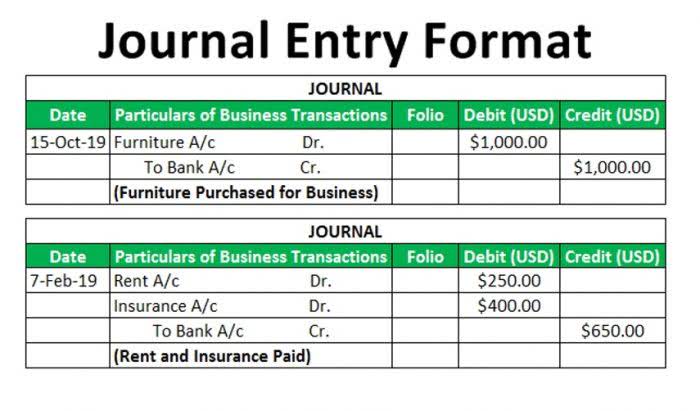
Under accrual accounting, however, the expense would be recorded in the books on Jan. 15 when it was initiated. The accrual accounting method tracks earnings and expenses when first incurred, rather than waiting to document them when money gets received or bills paid. Cash basis accounting only records income and expenses when cash changes hands and therefore does not have accounts payable or receivable. Yes, most small businesses and sole proprietors can use cash accounting to track business expenses and income.

In today’s digital world, many businesses receive payments through platforms like PayPal, Stripe, and Square. For cash basis accounting, the general rule is to recognize the income when the funds are deposited into your bank account, even if they are initially held by the payment processor. However, it’s essential to maintain detailed records of all transactions and reconcile them with your bank statements. Companies that adhere to GAAP compliance will have to adopt accrual accounting.
Leave a Reply