Category: Sober living

  • 6 Essential Books for Those with an Addicted Loved One

    There is no single treatment that works for all, so treatment should be tailored to individual needs. Combining Maia Szalavitz’s personal story with a distillation of more than 25 years of science and research, Unbroken Brain provides a paradigm-shifting approach to thinking about addiction. If you’re struggling with obesity or food addiction, you’ve probably been told that you must deprive yourself of certain foods in order to lose weight. You may have also been convinced—by the media and by our culture—that if you best alcoholic memoirs finally become thin your life will be better, you’ll be happier, and your suffering will come to an end. It’s about how food is used to self-soothe, to numb ourselves against the pain of living or to cope with stress and unresolved emotions.

    Start Your Journey to Recovery Today

    In Sober Mercies, Kopp shares the challenges that she faced as a Christian woman grappling with her addiction. Moreover, “Wrenching Questions” is not just a book for those directly impacted by addiction; it is also a call to action for society as a whole. Dr. Lawlis sheds light on the societal factors that contribute to addiction, advocating for a compassionate and holistic approach to addressing this widespread issue. I added it to the list as a reminder of what can happen to a relatively â€œnormal” person when addiction takes hold of their lives. She is now a certified addiction specialist possessing a bachelor’s degree in business administration and a master’s degree in public administration. Her focus is on her recovery journey from a street addict to a successful, stable mother of three.

    Another influential memoir is “The Big Book of Alcoholics Anonymous” by William G. Wilson. Serving as the cornerstone of the 12-Step Program Alcoholics Anonymous, this timeless book has provided wisdom and sobriety for over 80 years. Through practical advice, recovery stories, and a compassionate approach, Wilson’s words continue to guide countless individuals on their path to recovery.

    Studies have shown wide-ranging benefits from proper nutrition, from increased happiness to more restorative sleep cycles. Learn more about how nutrition specifically works for those in recovery in this eBook. If you are interested in science-based interventions and open to using medications to help your addiction, this is the book for you. What makes this book even better is the section on addiction and the family. If you have someone in your family with addiction problems, this book is for you.

    Strategies for Coping and Recovery

    books for recovering addicts

    They can provide a sense of connection and understanding, reassuring individuals that they are not alone in their struggles. Through relatable characters and narratives, books can inspire individuals to believe in their own capacity for change and growth. These ten books offer a diverse range of perspectives on addiction and recovery.

    books for recovering addicts

    “Recovery: Freedom from our addictions” by Russell Brand

    By sharing their stories, individuals in recovery create a ripple effect of understanding and support, promoting a more compassionate and inclusive society for all. When it comes to exploring the world of addiction and recovery, fictional works can provide a unique and insightful perspective. These stories offer realistic portrayals and help readers understand diverse experiences within the recovery community. In this section, we will delve into the value of realistic representations in fiction and the importance of understanding diverse experiences.

    • It allows individuals to take time for themselves and engage in an activity that is both enjoyable and beneficial for their mental well-being.
    • By developing empathy for oneself and others, individuals in recovery can foster a greater sense of connection and community.
    • Addiction memoirs and personal stories help readers see that they are not alone in their struggles.
    • David Sheff provides an unflinching look at how addiction affects family members and the relentless effort required in fighting addiction.
    • Bassey Ikpi breaks down the stigmas surrounding how we view mental health, and it’s beneficial for everyone to learn.

    Pairing insights on treatment options and how to navigate the rehab system, content is designed to not only help someone change but also prompt them to want to change. Relaxation Techniques to Help Prevent RelapseThe negative impact stress has on human health is well-documented and widely accepted in the medical industry. For those in recovery from addiction, high levels of stress can dramatically increase relapse rates. In this eBook, learn about stress and how it specifically affects those in addiction recovery, as well as powerful techniques to reduce stress. How to Create a Sense of Belonging in RecoveryYou’ve completed addiction treatment and it’s time to start your life again. Some people that were close to you may still be https://ecosoberhouse.com/ apprehensive about letting you back in, but that’s okay.

    Inspirational recovery books offer a unique perspective and connection that can resonate deeply with readers. They provide a sense of validation, reminding individuals that they are not alone in their struggles. These books often share stories of resilience, highlighting the strength and courage it takes to overcome obstacles and achieve lasting recovery. Reading can be a powerful tool in the journey of addiction and recovery. Books have the ability to inspire, educate, and provide much-needed support during challenging times.

    books for recovering addicts

    Whether you’re looking for workbooks, memoirs, or guides on how to maintain sobriety, these books offer something valuable for everyone seeking hope and guidance. Recovery books have the power to inspire and make a significant difference in the lives of individuals on their journey to recovery. These books provide valuable insights, personal stories, and practical guidance that can help individuals navigate the challenges they face. By exploring the experiences of others who have overcome adversity, readers can find hope, encouragement, and motivation to continue their own recovery process. Whether you’re just  beginning your recovery journey, started reading addiction memoirs for inspiration, or are seeking ways to maintain your sobriety, these books provide guidance, understanding, and support.

    • Learn to live your own life and stop assisting a loved one in destroying theirs.
    • Below is a list of ten books that have been widely praised for their ability to motivate and support those navigating substance addiction recovery.
    • The situations and emotions a person experiences while a loved one struggles with drugs or alcohol can be completely overwhelming.
    • Clients learn that recovery involves not just abstinence but also nurturing kindness and joy.

    He lost trust of people around him and in his field, but through sobriety he has been able to regain that trust and help many people along the way. I did many things I am alcohol rehab deeply ashamed of, and reading her book taught me that I am not alone. What really makes this book stand out is Chödrön’s knack for explaining complex Buddhist ideas in a way that feels relatable and easy to grasp.

    Inspirational Recovery Books

    What sets “Wrenching Questions” apart is its emphasis on both the first and last days of addiction—the initial descent into substance abuse and the eventual ascent toward healing, addiction treatment and recovery. Dr. Lawlis guides readers through the harrowing journey of addiction, exploring the psychological, emotional, and physiological factors that contribute to its grip. “How to Murder Your Life” is a gripping and unfiltered honest account of one woman’s journey through substance abuse and self-destruction toward a life of sobriety and self-acceptance. Mary Karr’s “Lit” tells the story of her journey from struggling with alcohol addiction to finding spiritual sobriety. As a dutiful daughter and a successful author, Karr recounts her struggles, failures, and eventual transformation.
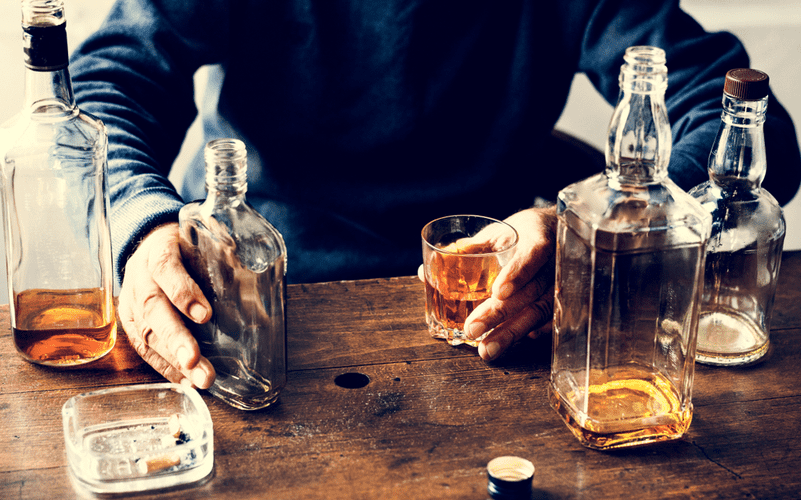

  • Alcohol use

    The definition of heavy drinking is based on a person’s sex. In the past, moderate drinking was thought to be linked with a lower risk of dying from heart disease and possibly diabetes. And drinking raises the risk of problems in the digestive system.

    Global alcohol action plan 2022-2030

    Disadvantaged and vulnerable populations have higher rates of alcohol-related death and hospitalization, as harms from a given amount and pattern of drinking are higher for poorer drinkers and their families than for richer drinkers in any given society. Globally, the WHO European Region has the highest alcohol consumption level and the highest proportion of drinkers in the population. In the EU, cancer is the leading cause of death – with a steadily increasing incidence rate – and the majority of all alcohol-attributable deaths are due to different types of cancers. However, latest available data indicate that half of all alcohol-attributable cancers in the WHO European Region are caused by “light” and “moderate” alcohol consumption – less than 1.5 litres of wine or less than 3.5 litres of beer or less than 450 millilitres of spirits per week. The risk of developing cancer increases substantially the more alcohol is consumed. Ethanol (alcohol) causes cancer through biological mechanisms as the compound breaks down in the body, which means that any beverage containing alcohol, regardless of its price and quality, poses a risk of developing cancer.

    The Global status report on alcohol and health and treatment of substance use disorders presents a comprehensive overview of alcohol consumption, alcohol-related… To combat this, WHO advocates for transparency in policy development, the exclusion of the alcohol industry from policy discussions, and the implementation of regulations to limit the industry’s influence on public health. A critical aspect of the Region’s approach is addressing the commercial determinants of health, particularly the influence of the alcohol industry on public health policy. Here, over 200 million people in the Region are at risk of developing alcohol-attributable cancer. It doesn’t matter how much you drink – the risk to the drinker’s health starts from the first drop of any alcoholic beverage. Theories suggest that for certain people drinking has a different and stronger impact that can lead to alcohol use disorder.

    This regional workshop was planned to address the challenges of illicit tobacco trade and unrecorded alcohol consumption in the countries of the Region…. But heavy drinking carries a much higher risk even for those without other health concerns. But good evidence shows that drinking high amounts of alcohol are clearly linked to health problems.

    • “So, when we talk about possible so-called safer levels of alcohol consumption or about its protective effects, we are ignoring the bigger picture of alcohol harm in our Region and the world.
    • Ethanol (alcohol) causes cancer through biological mechanisms as the compound breaks down in the body, which means that any beverage containing alcohol, regardless of its price and quality, poses a risk of developing cancer.
    • For example, any amount of drinking increases the risk of breast cancer and colorectal cancer.
    • Moderate alcohol use may not mean the same thing in research studies or among health agencies.

    Alcohol causes at least seven types of cancer, including the most common cancer types, such as bowel cancer and female breast cancer. Alcohol is a toxic, psychoactive, and dependence-producing substance and has been classified as a Group 1 carcinogen by the International Agency for Research on Cancer decades ago – this is the highest risk group, which also includes asbestos, radiation and tobacco. But as you continue to drink, you become drowsy and have less control over your actions. In some people, the initial reaction may feel like an increase in energy. This may result in craving alcohol to try to restore good feelings or reduce negative ones. Many people with alcohol use disorder hesitate to get treatment because they don’t recognize that they have a problem.

    This comprehensive report details the full extent of the way that alcohol is being marketed across national borders – often by digital means –… WHO highlights glaring gaps in regulation of alcohol marketing across borders Strengthening alcohol control and road safety policies The SAFER initiative, launched globally in 2018, supports the implementation of high-impact strategies across the European Region. The WHO European Region has been proactive in addressing the harm caused by alcohol through several key initiatives and frameworks.

    Related health topic

    “We cannot talk about a so-called safe level of alcohol use. Early intervention can prevent alcohol-related problems in teens. Too much alcohol affects your speech, muscle coordination and vital centers of your brain. Alcohol use may begin in the teens, but alcohol use disorder occurs more frequently in the 20s and 30s, though it can start at any age.

    Regional Office for the Western Pacific

    Surrogate and illegally produced alcohols can bring an extra health risk from toxic contaminants. In this context, it is easy to overlook or discount the health and social damage caused or contributed to by drinking. When it comes to alcohol, if you don’t drink, don’t start for health reasons. In the United States, people younger than age 21 are not legally able to drink alcohol. Heavy drinking also may result in alcohol withdrawal symptoms. Binge drinking is behavior that raises blood alcohol levels to 0.08%.

    Can homes, schools and digital platforms drive young people’s alcohol consumption?

    While the risk is low for moderate intake, the risk goes up as the amount you drink goes up. Global strategy to reduce the harmful use of alcohol In 2019, the worldwide total consumption was equal to 5.5 litres of pure alcohol per person 15 years and older. There are 230 different types of diseases where alcohol has a significant role. Explore a world of health data

    • Alcoholic beverages are classified as carcinogenic by the International Agency for Research on Cancer and increase the risk of several cancer types.
    • The only thing that we can say for sure is that the more you drink, the more harmful it is – or, in other words, the less you drink, the safer it is,” explains Dr Carina Ferreira-Borges, acting Unit Lead for Noncommunicable Disease Management and Regional Advisor for Alcohol and Illicit Drugs in the WHO Regional Office for Europe.
    • Despite this, the question of beneficial effects of alcohol has been a contentious issue in research for years.

    Over 3 million annual deaths due to alcohol and drug use, majority among men Alcohol as an immunosuppressant increases the risk of communicable diseases, including tuberculosis and HIV. Alcoholic beverages are classified as carcinogenic by the International Agency for Research on Cancer and increase the risk of several cancer types. Alcohol is the leading risk factor for premature mortality and disability among those aged 20 to 39 years, accounting for 13% of all deaths in this age group.

    Many people drink alcohol as a personal preference, during social activities, or as a part of cultural and religious practices. Drinking alcohol is a health risk regardless of the amount. The harmful use of alcohol results in the death of 2.6 million people annually. This manual is written to help primary health care workers – physicians, nurses, community health workers, and others – to deal with persons whose alcohol… Around 1 in every 3 deaths in men and 1 in every 5 deaths in women between 30 and 40 years of age were due to alcohol.

    Noncommunicable diseases progress monitor 2025

    This initiative includes policies that reduce the affordability, availability, and acceptability of alcohol, particularly in the heaviest-drinking countries, mitigating the effects of alcohol consumption on public health. The Global alcohol action plan 2022–2030, endorsed by WHO Member States, aims to reduce the harmful use of alcohol through effective, evidence-based strategies at national, regional and global levels. This emphasizes the importance of protecting policy-making processes from industry interference that aims to delay or weaken public health measures that would reduce alcohol consumption.

    What is considered 1 drink?

    A heavy drinking binge may even cause a life-threatening coma or alcohol poisoning symptoms and treatment death. Genetic, psychological, social and environmental factors can impact how drinking alcohol affects your body and behavior. If you’re concerned about someone who drinks too much, ask a professional experienced in alcohol treatment for advice on how to approach that person. If your pattern of drinking results in repeated significant distress and problems functioning in your daily life, you likely have alcohol use disorder. It also includes binge drinking — a pattern of drinking where a male has five or more drinks within two hours or a female has at least four drinks within two hours.

    Alcohol and cancer

    For example, it may be used to define the risk of illness or injury based on the number of drinks a person has in a week. In the United States, moderate drinking for healthy adults is different for men and women. The evidence for moderate alcohol use in healthy adults is still being studied.

    Consider talking with someone who has had a problem with drinking but has stopped. Listen to relatives, friends or co-workers when they ask you to examine your drinking habits or to seek help. You might not recognize how much you drink or how many problems in your life are related to alcohol use. Because denial is common, you may feel like you don’t have a problem with drinking. This disorder also involves having to drink more to get the same effect or having withdrawal symptoms when you rapidly decrease or stop drinking.

    Appointments at Mayo Clinic

    Heavy drinking, including binge drinking, is a high-risk activity. For example, any amount of drinking increases the risk of breast cancer and colorectal cancer. It also causes harm to the well-being and health of people around the drinker. The technical package for the SAFER initiative focuses on five key alcohol policy interventions that are based on accumulated evidence of their impact…

    The most cost-effective interventions are at the focus of WHO-led SAFER initiative aimed at providing support for Member States in reducing the harmful use of alcohol. In addition, enforcing drink driving countermeasures and securing access to screening, brief interventions, and treatment are effective and ethically sound interventions. Alcohol as an intoxicant affects a wide range of structures and processes in the central nervous system and increases the risk for intentional and unintentional injuries and adverse social consequences. Disadvantaged and especially vulnerable populations have higher rates of alcohol-related death and hospitalization.

  • Can vs May: How to Use Them

    You should also know that can is seen as an informal way of asking permission. When referring to the possibility of something happening, can should be used if there’s a good chance that it will happen. When you’re talking about the possibility of something happening in the future, use can if something is very likely to happen. People often use can and could interchangeably, even though the words have slightly different meanings. Definition of can 1 modal verb from the Oxford Advanced Learner’s Dictionary Learn a new word every day.

    Meaning of can in English

    Worthy and wicked (Words meaning ‘good’ and ‘bad’)

    • By this logic, the student should have said “May I go to the bathroom?
    • All four of these meanings were in use before 1000AD.
    • Before the 12th century, in the meaning defined at sense 1
    • It originally referred to having strength or power, and then very quickly developed a meaning that referred to ability.

    Can you solve 4 words at once?

    Can also implies that something is very likely to happen, while could means it could happen but also might not happen. Consider could a realist when it comes to possibilities—something might happen, but it also might not. Can is often seen as more casual, while could is read as more polite and formal.

    • Could, on the other hand, should be used for things that have an equal chance of not happening.
    • People often use can and could interchangeably, even though the words have slightly different meanings.
    • May is the more formal word, and if you are at all concerned about being tut-tutted, a safe choice.
    • Can is also used to ask for permission, but it’s seen as more casual and shouldn’t be used in formal settings.

    Is ‘gift’ really a verb?

    Use could to refer to someone’s ability in the past tense or indicate that something might happen, but it also might not happen. Use can to indicate someone’s ability in the present tense or indicate that there is a good chance of something happening. Both are modal verbs used to express ability or possibility; they can also be used to ask for permission. Can is now the verb of choice for ability, and both can and may are still used in the “possibility” sense.

    verb

    1855, in the meaning defined at sense 1a Before the 12th century, in the meaning defined at sense 1 Before the 12th century, in the meaning defined at transitive sense 2

    auxiliary verb

    The “joke” here is based on the insistence that you should use may when asking for permission to do something, and can when speaking about ability. Using can in this sense isn’t incorrect but it is considered informal. Can is also used to ask for permission, but it’s seen as more casual and shouldn’t be used in formal settings. Can is used when you want to ask permission in a casual setting, and could is seen as more formal.

    can modal verb

    Can is used to refer to someone’s ability in the present tense, whereas could is used in the past tense. Use could if you’re describing someone’s ability in the past tense. When you’re referring to someone’s ability to do something, use can in present-tense scenarios and could in past-tense situations.

    Could is the past tense modal verb used to express someone’s ability. Can is the present tense modal verb used to express someone’s ability. It was a verb that originally meant “to know,” and then “to know how to do something,” and then “to have the ability to do something.” This last meaning, which showed up around 1300, was can’s first semantic overlap with may.

    In reality, can likely has more use in the “permission” sense than is recorded, as it is more informal and so shows up in speech more frequently than may does. It didn’t take too long for teachers and grammarians of the day to proscribe that can should only be used of ability and may of permission. Can expresses someone’s ability to do something, so use it when you want to say that someone is able to do something right now.

    Can is used to describe scenarios that are more likely than not to happen, while could is used for scenarios that are less probable. Could, on the other hand, should be used for things that have an equal chance of not happening. Get the Word of the Day every day! If all goes well, the coach secured with a proven approach could lead to a return to happier days. To add can to a word list please sign up or log can u smoke moon rocks by itself in.

    Definition of can 1 modal verb from the Oxford Advanced American Dictionary May is the more formal word, and if you are at all concerned about being tut-tutted, a safe choice. There is no particular reason for the rule, except for the fact that may has been used longer to mean “to give permission” than can has. It originally referred to having strength or power, and then very quickly developed a meaning that referred to ability. But the reality of the situation is that both can and may have been used historically to refer to permission and continue to be used so today.

    Word History

    All four of these meanings were in use before 1000AD. May is the earlier verb, showing up in manuscripts from the 8th century. ” since their ability to use the facilities is likely not in question. By this logic, the student should have said “May I go to the bathroom? If you want to sound formal, use may. Can and may are both used to talk about permission.

  • What Is Alcohol Tolerance and How Can It Lead to Dependence?

    Children of alcoholics have a high risk of developing tolerance because of exposure to alcohol from a young age. Several studies have shown that sons of alcoholics were less impaired during drinking bouts compared to sons of non-alcoholics. Some writers, poets, artists, or people with different talents feel the need for booze to get them in the mood to be creative, which can result in chronic alcoholism. Humans may develop a tolerance for alcohol while practicing a task and drinking at the same time.

    Does an Alcohol Tolerance Break Work?

    alcohol tolerance

    For example, people of certain racial and ethnic backgrounds, particularly people who are East Asian, have a higher prevalence of alcohol sensitivity, due to genetic factors. Overall, understanding your alcohol tolerance is an important part of staying safe and healthy when drinking alcohol. There are several ways to determine what your alcohol tolerance is, such as tracking your drinks, monitoring your body’s responses to alcohol, and talking to a medical professional. It’s important to keep in mind that everyone’s alcohol tolerance is different, so it’s important to find out your own level of tolerance and be responsible when drinking. Alcohol tolerance refers to the amount of alcohol a person can consume without experiencing negative effects. It can vary from person to person, and is affected by factors such as age, gender, overall health, and drinking history.

    • The Massachusetts Center for Addiction offers comprehensive treatment programs to address the underlying causes of addiction and support individuals in their recovery journey.
    • By recognizing the physiological changes that occur with aging and their impact on alcohol processing, older adults can make informed decisions about their alcohol consumption.
    • However, some genetic traits that influence alcohol metabolism may be more common in certain populations.
    • Alcohol tolerance can also be accelerated by practicing a task while under the influence of alcohol.

    Welcome to Drug Rehab Featured by Addiction Resource Team

    Ingested ethanol is metabolized by an enzyme, “alcohol dehydrogenase,” to a metabolite called acetaldehyde. The acetaldehyde is metabolized by an enzyme ‘aldehyde dehydrogenase’ to the final product. Some people, by nature, lack the enzyme aldehyde dehydrogenase, which leads to an excess of acetaldehyde in the blood. It develops over time, meaning that a dedicated drinker may need consistently higher volumes of alcohol to achieve the same physical effects over the weeks and months of drinking. The adaptation to the effects of drinking is what leads to high tolerance for alcohol.

    Understanding Addiction and Substance Use Disorder

    Of these symptoms, facial Drug rehabilitation flushing is the most common and will almost always be present. With alcohol intolerance, these symptoms will begin almost immediately after exposure to alcohol. While drinking alcohol is the most common trigger, other actions, like using cough syrup containing alcohol or alcohol-based hand sanitizer, may also trigger these symptoms.

    Alcohol Dehydrogenase (ADH)

    While alcohol is widely consumed, rising alcohol tolerance is a warning sign of dependence. Genetics, body type, and lifestyle all play a role, but the biggest factor is frequent, heavy drinking. The body adapts to alcohol by producing more dehydrogenase enzymes, breaking alcohol down. With heavy drinking, the liver also adapts and becomes more efficient at eliminating alcohol. But if they start drinking at their previous levels again, alcohol-related impairments in cognition and behaviour could return – but after having smaller amounts of alcohol.

    • In fact, it can be a protective factor against developing alcohol dependence or addiction, as the unpleasant effects of drinking may discourage someone from consuming excessive amounts of alcohol.
    • One of the criteria used to determine an AUD diagnosis is alcohol tolerance.
    • They are less likely to feel nauseous, vomit, slur their words, or have impaired walking.
    • Male rats exhibited rapid cross-tolerance (hypothermia and tilt-plane) to the alcohols n-propanol, n-butanol, and t-butanol.

    Medical Professionals

    alcohol tolerance

    With age, the production of these enzymes decreases, and the liver’s overall efficiency in processing alcohol diminishes. By the https://leafacademy.in/canadian-alcohol-and-drugs-survey-cads-summary-of/ time a person reaches their 80s, their body water content may have dropped to around 50%. This reduction means that the same amount of alcohol consumed will result in a higher blood alcohol concentration (BAC) in an older adult compared to a younger person of the same weight. As tolerance increases, the brain’s reward system becomes less responsive to alcohol.

    alcohol tolerance

    Alcohol tolerance can be explained via several mechanisms – but here are four ways that tolerance may develop and change. But, acute tolerance typically develops into the “feeling” of intoxication, but not to all of the effects of alcohol. Consequently, the person may be prompted to drink more, which can impair those bodily functions that do not develop acute tolerance. You may think that not having alcohol interfere with your behavior and ability to function like it used to be is a positive occurrence. However, the development of tolerance to alcohol can actually signal pending problems. Tolerance to the effects of alcohol can influence drinking behavior and consequences in many ways.

    It can dull emotions, impact relationships, and contribute to anxiety or depression. It may also reduce awareness of drinking problems until they become severe. This happens when someone drinks regularly and alcohol tolerance their body adapts by becoming less reactive to alcohol’s effects.